
Pediatric Mental Health Resources

Strategies for supporting students with ADHD in the classroom
As an educator and advocate for neurodivergent children, I've witnessed firsthand the incredible potential within students with Attention-Deficit/Hyperactivity Disorder (ADHD). These students often possess unique strengths such as creativity, hyperfocus on subjects of interest, and a high degree of energy that, when channeled effectively, can lead to remarkable achievements.
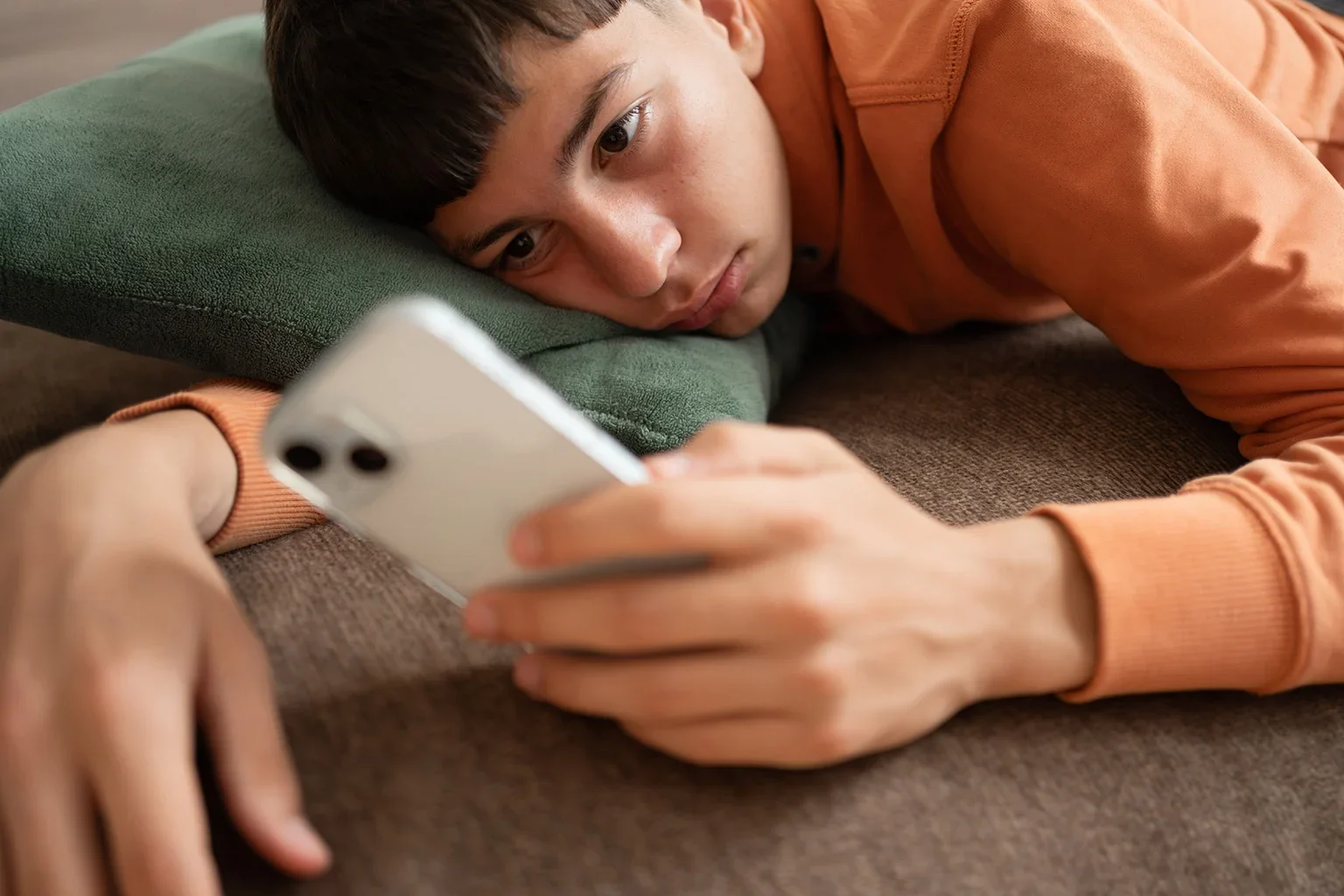
Why “Just Take It Away” Usually Doesn’t Work for Screen or Video Game Addiction
What therapists recommend when screen time leads to meltdowns, rage, shutdowns, or constant family conflict.

Supporting the Whole Child
As educators, you pour your heart and soul into nurturing the next generation. You strive to create an inclusive environment where every student can thrive. But what happens when learning differences create roadblocks that start to create mental health challenges? Understanding the intricate connection between these two is crucial for unlocking each student's full potential. I’ve spent decades delving into how learning differences impact the co-conditions of children’s mental health and I’d like to offer some insights for how it plays out in your classroom.
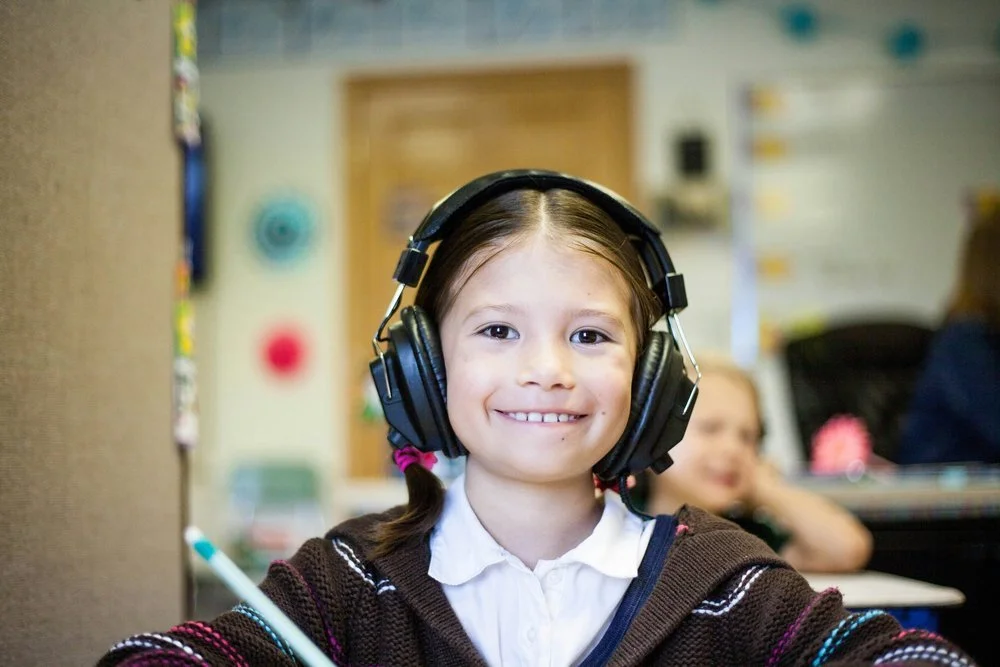
Classroom Behavior Challenges
After working in educational and clinical psychology for over 30 years, the topic of behavioral challenges in the classroom is near and dear to my heart. Experience has taught me that no simple formula—when a child does X, the teacher should do Y—will address the underlying causes of a child’s behavior in this setting. Instead, I recommend more substantive, thoughtful solutions that can only come from equanimity, regulation, resources, and direct communication. Here are some insights and strategies that I've gathered over the years, specifically for educators.

The Technology Trap: Navigating Social Media and Technology with Kids
In today's world, technology and social media are deeply woven into the fabric of our children's lives. From smartphones and tablets to gaming consoles and even their classrooms, screens are ubiquitous and, realistically, here to stay. While these technologies offer incredible opportunities for learning, connection, and creativity, they also present a range of challenges and potential downsides that mental health professionals, educators, and parents must be aware of. By understanding these risks, we can develop effective strategies to help young people navigate the digital world safely and responsibly.

Parenting an Anxious Child: Real-world ways you can help
Anxiety is a natural response to stress or danger, a way for the body to prepare for challenges. However, when it becomes persistent, intense, and overwhelming, disrupting daily life, it becomes a concern. Anxiety disorders are the most prevalent psychiatric condition among children and adolescents, affecting approximately one in 12 children and one in four adolescents, manifesting in various ways, ranging from mild discomfort to panic attacks

Support for the Whole Family
This busy mom describes how her family navigated ADHD, anxiety, sensory issues, and parenting challenges with individualized therapy and support, leading to a more structured and harmonious home life.

Simple Routines for ADHD and Neurodivergent Kids
The school bell rings for the last time, and suddenly you’re faced with 10 weeks of … what exactly? If you’re parenting a neurodivergent child, this moment probably brings excitement mixed with that familiar flutter of mild panic. No more structured days. No more predictable routines. Just you, your child, and a whole lot of unscheduled time—whether they're home, attending camps, or navigating a combination of both.

Your Screen Time Guide for School Breaks
Here is a quick primer on the hot topic of tech for neurodivergent kids during unstructured periods of time at home, plus a handy resource for families looking for additional support on one of vacation's most common challenges. Download "Screen Time Rules for Kids."

Medication for Children with ADHD, Anxiety, and Emotional Challenges
Parents often feel overwhelmed by the idea of medication for their child—unsure when it’s necessary, whether it will change their child, or if it means things have become ‘that bad.’ This article explains how medication can be one part of a larger, integrated care plan and why pairing it with therapy and skill development can actually reduce long-term reliance on medication. We will break down when medication helps, what questions to ask, and how parents can make decisions based on facts, not on fear.

Finding Anxiety Treatment for Your Child in Bucks County: A Parent’s Guide
Watching your child struggle with worry that won't quiet down, school mornings that end in tears, or social situations they refuse to face, can feel overwhelming. You know something needs to change, but figuring out what kind of help they need and where to find quality anxiety treatment in Bucks County shouldn't add to that burden.

Bucks County, PA’s Top 5 Activities for Neurodivergent Kids
Looking for fun, inclusive activities for kids with ADHD, autism, anxiety, or ODD? Bucks County offers several fantastic sensory-friendly experiences that cater to neurodivergent children. From interactive museums to therapeutic farms, here are the best places for your child to explore, learn, and thrive.

Confidence Comes Back
I became aware of Blackbird through my pediatrician when my son Jonathan was in fifth grade. He was having some trouble regulating his emotions and it had become a concern at school. He also seemed kind of down and anxious and just wasn't himself.